
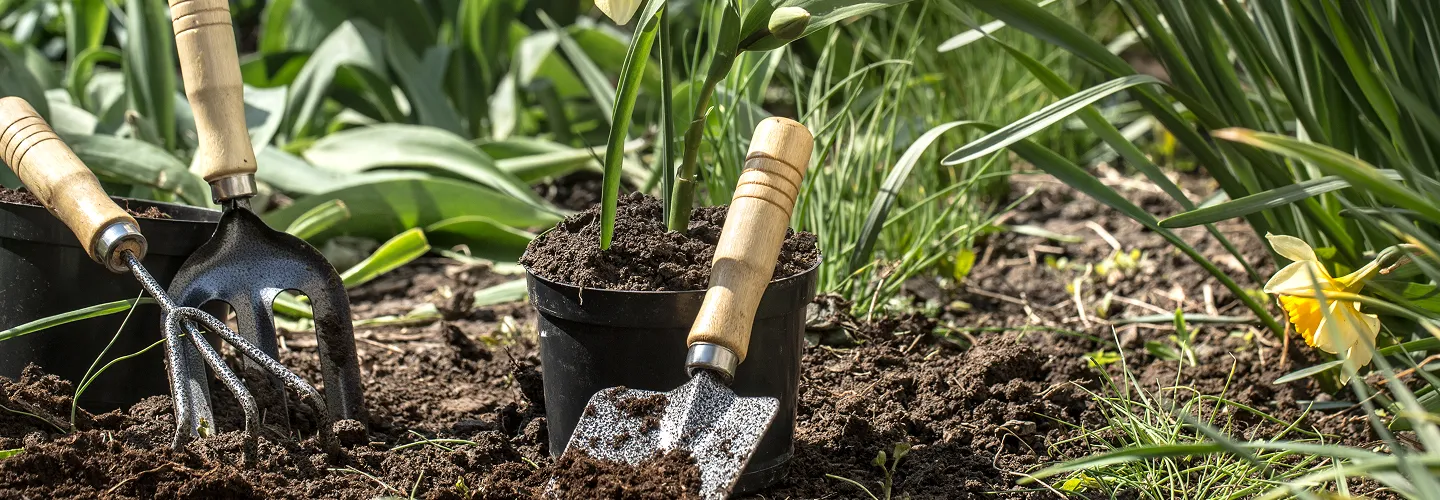
Pasadena Lawn Renovation Services
Choose our Lawn Renovation services for a lush, healthy yard—our experienced team uses proven techniques and premium materials to restore your lawn’s beauty and vitality, ensuring long-lasting results you’ll love.
Get a Free QuoteOur Pasadena Landscaping & Yard Care Services
When to Schedule Lawn Renovation in Pasadena, Texas – Seasonal Guide
In Pasadena, Texas, timing your lawn renovation is crucial for achieving a lush, healthy yard that thrives year-round. The region’s humid subtropical climate, characterized by hot summers and mild winters, means that the best periods for lawn renovation are typically early spring and early fall. These seasons offer moderate temperatures and increased rainfall, which help new grass seed establish strong roots before the heat of summer or the occasional winter chill sets in. Neighborhoods like Deepwater and Red Bluff Terrace, with their mature trees and varying soil types, may require special consideration for shade and drainage.
Local environmental factors such as the average last frost date in late February, the risk of summer droughts, and the prevalence of clay-heavy soils in areas near Strawberry Park all play a role in determining the optimal renovation window. Homeowners should also be mindful of municipal watering restrictions and the unique microclimates created by proximity to landmarks like Armand Bayou. For more information on local regulations and best practices, consult the official city resources.
Local Factors to Consider for Lawn Renovation in Pasadena
- Tree density and shade coverage, especially in older neighborhoods
- Soil composition (clay, sand, or loam) and drainage capacity
- Seasonal precipitation patterns and drought risk
- Terrain slope and potential for water runoff
- Municipal watering schedules and restrictions
- Proximity to landmarks or bodies of water affecting humidity and microclimate
Benefits of Lawn Renovation in Pasadena
Expert Landscaping Services
Customized Lawn Solutions
Eco-Friendly Practices
Timely Project Completion
Competitive Pricing
Local Pasadena Experience
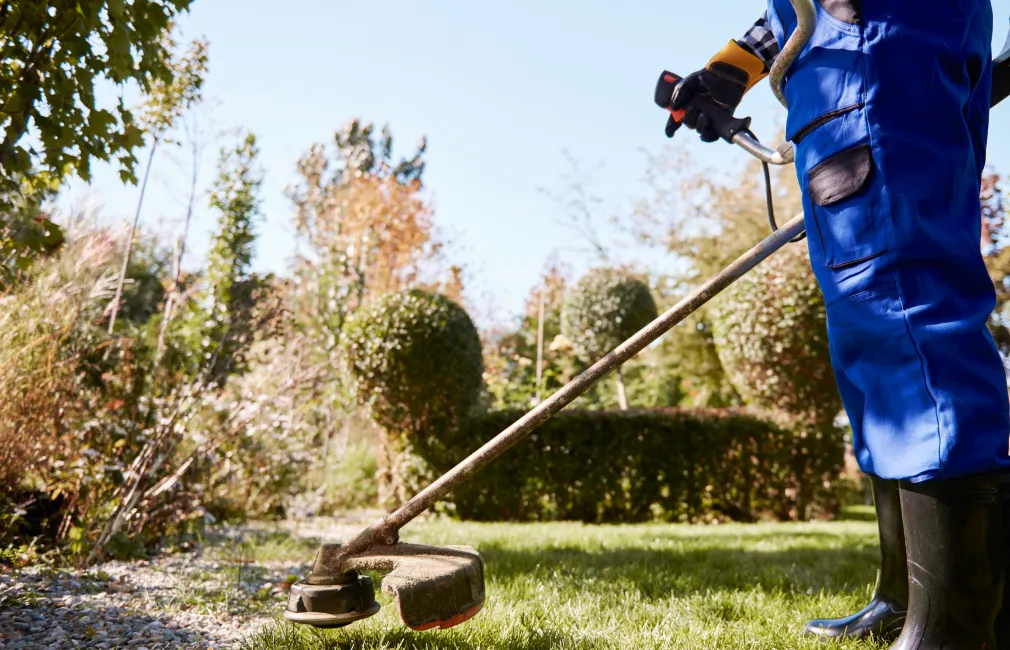
Pasadena Lawn Renovation Types

Sod Installation
-
Overseeding
-
Soil Aeration
-
Drought-Tolerant Lawn Conversion
-
Weed and Pest Removal
-
Organic Lawn Restoration
-
Irrigation System Upgrades
Our Lawn Renovation Process
Site Evaluation
Soil Preparation
Seeding or Sodding
Watering and Fertilization
Ongoing Maintenance
Why Choose Pasadena Landscape Services
-
Pasadena Homeowners Trust Us
-
Expert Lawn Maintenance
-
Reliable Irrigation Solutions
-
Competitive Pricing
-
Professional Team
-
Sustainable Landscaping Practices
-
Personalized Service
Pasadena’s Blackland Prairie Soils: Core Aeration and Amendment Strategies
Lawn renovation in Pasadena requires careful consideration of the city’s predominant Houston Black clay soils, as identified by the USDA Web Soil Survey. These Vertisols are characterized by high clay content, poor drainage, and a tendency to compact, leading to shallow root growth and water runoff. Core aeration to a depth of 2-3 inches is recommended every 2-3 years, especially in areas with visible compaction or standing water. Soil pH in Pasadena typically ranges from 7.5 to 8.2, so lime application is rarely needed, but sulfur amendments may be required to lower pH for certain turf species. Incorporate 2-3 inches of compost tilled to a 6-inch depth to improve structure and organic matter. Soil testing is available through Texas A&M AgriLife Extension for a nominal fee (usually $15-25).
Pasadena Public Works Department
1149 Ellsworth Dr., Pasadena, TX 77506
Phone: (713) 475-5555
Official Website: Pasadena Public Works Department
Seasonal Timing and Weather Considerations for Lawn Renovation in Pasadena
Pasadena’s humid subtropical climate (USDA Hardiness Zone 9a) presents unique timing challenges for lawn renovation. Optimal seeding and sodding windows are from April 15 to May 30 (soil temperatures 65-75°F) and August 20 to September 30, before the onset of fall rains. Avoid major renovation during June-August due to heat stress and high evaporation rates. Monitor local weather forecasts through the National Weather Service Houston/Galveston Office to avoid working during heavy rainfall events, which can cause soil compaction and seed washout. Key timing guidelines include:
- Spring seeding: April 15 – May 30
- Fall seeding: August 20 – September 30
- Fertilization: Early May and September
- Avoid: June-August (heat stress period)
Municipal Coordination: Pasadena Yard Waste Collection and Disposal Requirements
Proper disposal of renovation debris is regulated by Pasadena’s municipal waste programs. Weekly yard waste collection occurs every Thursday from April through November. Residents must use biodegradable paper bags or reusable bins (32-gallon maximum); plastic bags and branches over 4 inches in diameter are prohibited. Accepted materials include grass clippings, leaves, and brush under 4 feet in length. Debris left curbside outside of collection days may result in code violations. For large renovation projects, coordinate with the city for bulk pickup or drop-off at designated facilities. Compliance with these requirements helps prevent stormwater contamination and supports city-wide sustainability initiatives.
Pasadena Environmental Services Department
120 N. Pasadena Blvd., Pasadena, TX 77506
Phone: (713) 475-5555
Official Website: Pasadena Environmental Services Department
Environmental Compliance: Stormwater and Buffer Zone Regulations in Pasadena
Lawn renovation activities in Pasadena must comply with local and state environmental regulations to protect area waterways, including Vince Bayou and Armand Bayou. The city operates under a Texas Commission on Environmental Quality (TCEQ) MS4 permit, which prohibits yard waste, soil, or fertilizer from entering storm drains. Maintain a 25-foot no-disturbance buffer from wetlands and water bodies, and avoid fertilizer application within 50 feet of these areas. The Clean Water Act and Texas Water Code establish further requirements for runoff and pollutant control. Violations may result in fines or remediation orders. For guidance on compliance, consult the city’s Environmental Services Department.
Texas Commission on Environmental Quality
12100 Park 35 Circle, Austin, TX 78753
Phone: (512) 239-1000
Official Website: Texas Commission on Environmental Quality
Equipment Operation Hours and Safety Standards for Pasadena Lawn Renovation
Pasadena enforces municipal noise ordinances for lawn equipment operation. Permitted hours are:
- Monday-Friday: 7:00 AM – 7:00 PM
- Saturday: 8:00 AM – 6:00 PM
- Sunday and holidays: Prohibited All power equipment must be fitted with functional mufflers, and noise levels should not exceed 85 decibels at property lines. Operators are required to wear ANSI Z87.1 safety glasses, hearing protection for equipment over 85 dB, and steel-toed boots. Maintain a 15-foot clearance from overhead power lines and avoid blocking sidewalks or public rights-of-way. For work near public roads, use high-visibility vests and place warning signs at least 100 feet from the work zone. The Pasadena Public Works Department provides additional safety guidance and can clarify local requirements.
What Neighborhoods Do We Serve Throughout Pasadena, TX?
- Golden Acres: Characterized by mature trees and older homes, this area often faces soil compaction and drainage challenges due to established landscaping and heavy clay soils.
- Village Grove: Features newer developments with improved drainage infrastructure, but lots may have fill soils requiring additional organic amendments during renovation.
- Red Bluff Terrace: Proximity to Armand Bayou means stricter buffer zone enforcement and higher risk of seasonal flooding, necessitating careful debris management and compliance with wetland regulations.
- Parkview Estates: Larger lot sizes and open lawns allow for efficient equipment access, but exposed sites may experience greater heat stress and require drought-tolerant turf varieties.
- Pasadena Gardens: Dense housing and narrow streets can limit equipment maneuverability; noise ordinance enforcement is more stringent due to residential density.
- Baywood Shadows: Located near conservation areas, this neighborhood requires strict adherence to stormwater and fertilizer application restrictions to protect sensitive habitats.
- Deepwater: Industrial proximity and heavy traffic patterns necessitate heightened safety protocols and coordination with city departments for debris removal and right-of-way access.